
-
Table of Contents
- Introduction
- The Benefits of Dash Cams for Law Enforcement: How They Can Help Police Solve Road Incidents Quicker
- The Impact of Dash Cams on Law Enforcement: How They Can Help Police Gather Evidence More Efficiently
- The Pros and Cons of Dash Cams for Law Enforcement: How They Can Help or Hinder Investigations
- The Role of Dash Cams in Law Enforcement: How They Can Help Police Identify Suspects and Witnesses
- The Future of Dash Cams in Law Enforcement: How They Can Help Police Improve Road Safety
“Dash Cams: A Powerful Tool for Law Enforcement to Help Solve Road Incidents Quickly and Accurately.”
Introduction
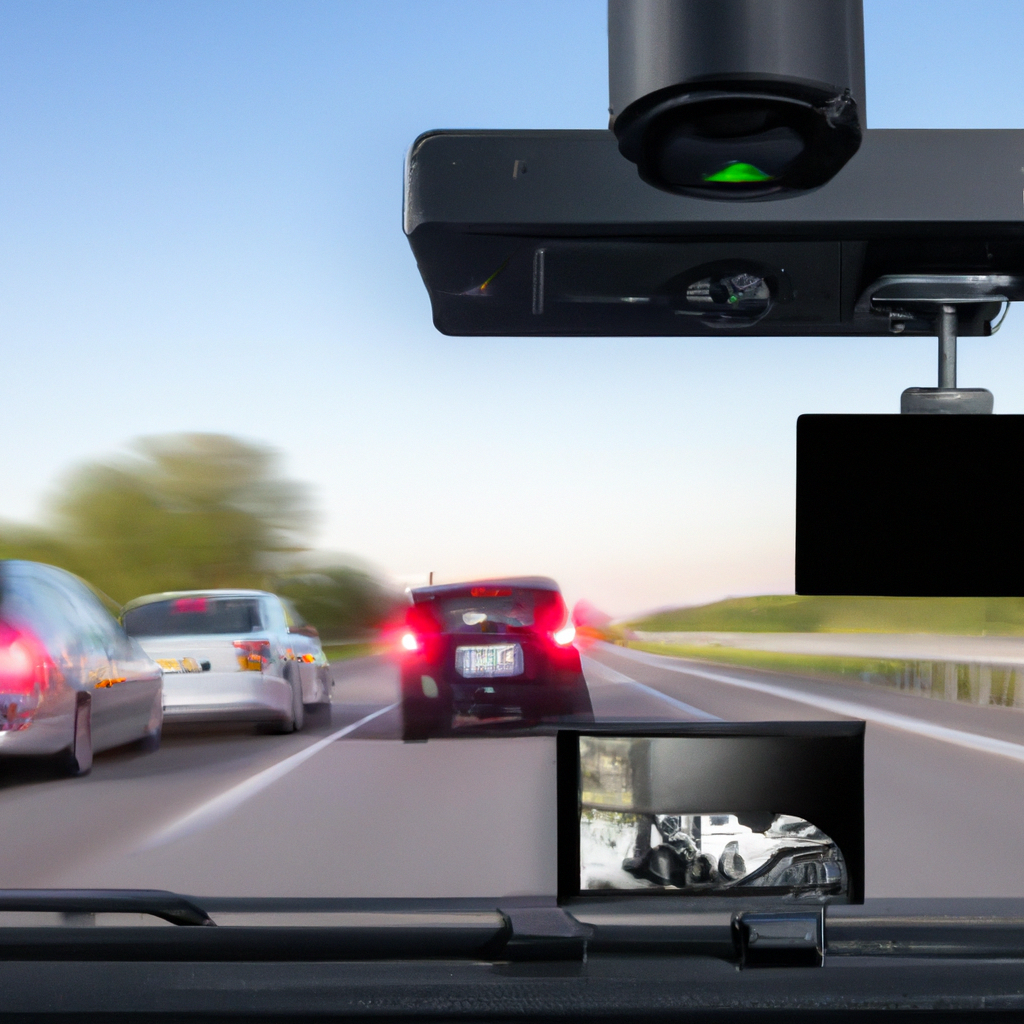
Dash cams have become increasingly popular in recent years, and their use by law enforcement is growing. Dash cams are small cameras that are mounted on the dashboard of a police car and record video of the road ahead. They are used to capture evidence of traffic violations, accidents, and other incidents that occur on the road. Dash cams can provide valuable evidence to police officers in investigating road incidents, as they can provide a clear and accurate record of what happened. Dash cams can also help to protect officers from false accusations and provide a record of their interactions with the public. In this article, we will discuss how dash cams can assist law enforcement in investigating road incidents.
The Benefits of Dash Cams for Law Enforcement: How They Can Help Police Solve Road Incidents Quicker
Dash cams are becoming increasingly popular among law enforcement agencies as a tool to help them solve road incidents quicker. Dash cams are small cameras that are mounted on the dashboard of a police car and record video footage of the road ahead. This footage can be used to help police officers investigate and resolve road incidents more quickly and accurately.
The use of dash cams by law enforcement has been shown to reduce the amount of time it takes to investigate and resolve road incidents. Dash cams provide an objective record of events that can be used to corroborate witness statements and other evidence. This can help police officers to quickly identify the cause of an incident and determine who is at fault. Dash cams can also be used to identify dangerous driving behaviors, such as speeding or reckless driving, which can help police officers to take appropriate action.
Dash cams can also help to reduce the amount of paperwork that is required to investigate and resolve road incidents. Dash cams provide an accurate record of events that can be used to quickly fill out incident reports. This can help to reduce the amount of time that is spent on paperwork and allow police officers to focus on more important tasks.
Dash cams can also help to reduce the amount of time that is spent on court proceedings. Dash cams provide an objective record of events that can be used to quickly resolve disputes and reduce the amount of time that is spent in court. This can help to reduce the amount of time that is spent on court proceedings and allow police officers to focus on more important tasks.
In conclusion, dash cams are a valuable tool for law enforcement agencies. Dash cams provide an objective record of events that can help police officers to quickly investigate and resolve road incidents. Dash cams can also help to reduce the amount of paperwork and court proceedings that are required to investigate and resolve road incidents. For these reasons, dash cams are becoming increasingly popular among law enforcement agencies as a tool to help them solve road incidents quicker.
The Impact of Dash Cams on Law Enforcement: How They Can Help Police Gather Evidence More Efficiently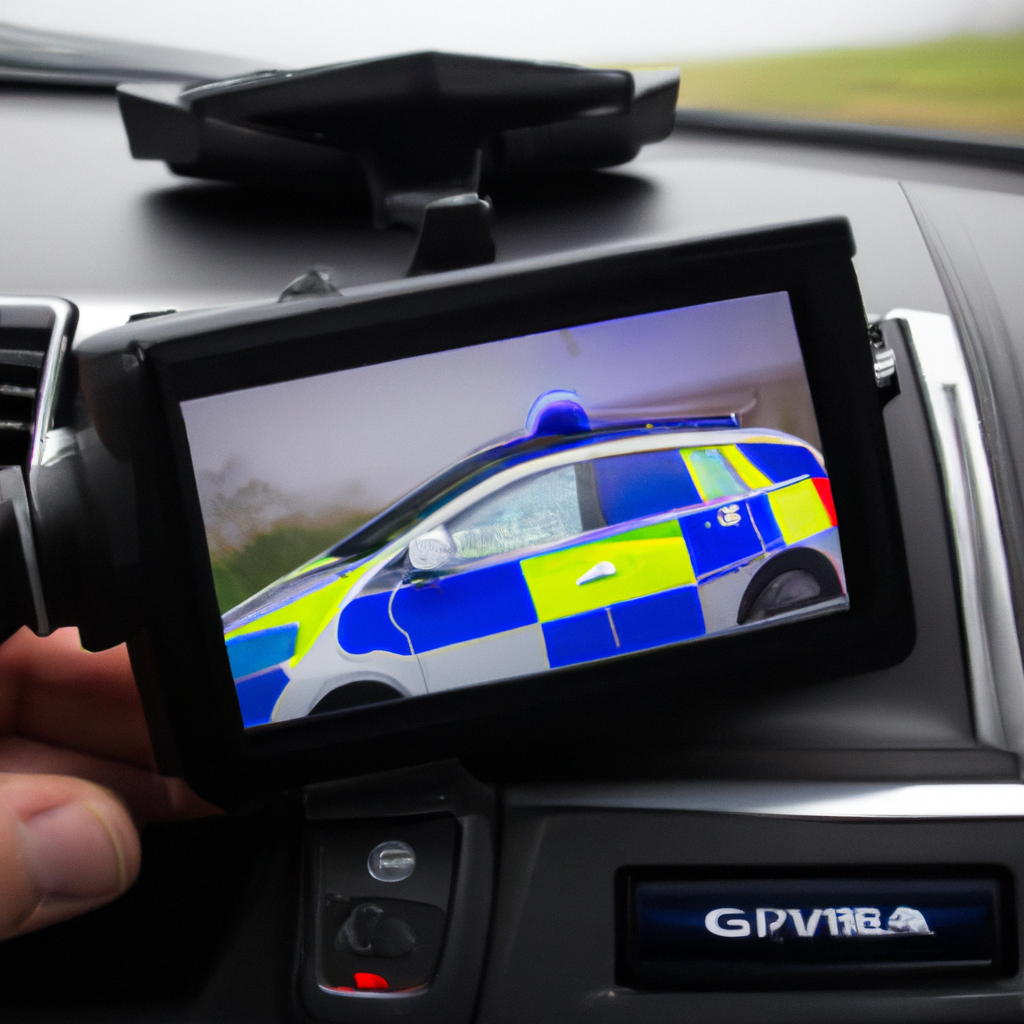
Dash cams have become increasingly popular in law enforcement, providing officers with an invaluable tool to help them gather evidence more efficiently. Dash cams are small cameras that are mounted on the dashboard of a police car and record audio and video of the officer’s interactions with the public.
Dash cams provide a number of benefits to law enforcement. First, they can help officers document their interactions with the public more accurately. Dash cams provide an objective record of an officer’s interactions with the public, which can be used to verify an officer’s account of an incident. This can be especially useful in cases where an officer’s version of events is disputed.
Second, dash cams can help officers gather evidence more quickly. Dash cams can capture evidence that would otherwise be difficult or impossible to obtain. For example, dash cams can capture audio and video of a suspect’s confession or other incriminating statements. This can help officers quickly gather evidence that would otherwise take much longer to obtain.
Finally, dash cams can help protect officers from false accusations. Dash cams provide an objective record of an officer’s interactions with the public, which can be used to refute false accusations of misconduct. This can help protect officers from false accusations and help ensure that they are held accountable for their actions.
In conclusion, dash cams are an invaluable tool for law enforcement. They can help officers document their interactions with the public more accurately, gather evidence more quickly, and protect officers from false accusations. As such, dash cams can help law enforcement gather evidence more efficiently and effectively.
The Pros and Cons of Dash Cams for Law Enforcement: How They Can Help or Hinder Investigations
Dash cams have become increasingly popular in law enforcement as a tool to help with investigations. While they can be a valuable asset to police officers, there are also potential drawbacks to consider. This article will explore the pros and cons of dash cams for law enforcement and how they can help or hinder investigations.
The Pros
Dash cams can be a great asset to law enforcement officers. They can provide an objective record of events that can be used as evidence in court. Dash cams can also help to protect officers from false accusations of misconduct. The footage can be used to prove that an officer acted appropriately in a given situation. Additionally, dash cams can help to improve officer safety by providing a visual record of any dangerous situations they may encounter.
The Cons
While dash cams can be beneficial, there are also potential drawbacks to consider. For example, the footage can be difficult to interpret and may not always provide a clear picture of what happened. Additionally, the footage can be easily manipulated or edited, which can lead to inaccurate or misleading evidence. Furthermore, dash cams can be expensive to install and maintain, and they may not be practical for all law enforcement agencies.
Conclusion
Dash cams can be a valuable asset to law enforcement officers, but there are also potential drawbacks to consider. While they can provide an objective record of events that can be used as evidence in court, the footage can be difficult to interpret and may not always provide a clear picture of what happened. Additionally, dash cams can be expensive to install and maintain. Ultimately, it is up to each law enforcement agency to decide if dash cams are the right tool for their needs.
The Role of Dash Cams in Law Enforcement: How They Can Help Police Identify Suspects and Witnesses
Dash cams have become an increasingly important tool for law enforcement in recent years. These cameras, which are mounted on the dashboard of a police car, provide a visual record of events that can be used to identify suspects and witnesses.
Dash cams can be used to capture images of suspects and witnesses in the immediate vicinity of a crime scene. This can be especially useful in cases where there are no other witnesses or when the suspect has fled the scene. The footage can be used to identify suspects and witnesses, as well as to provide evidence in court.
Dash cams can also be used to monitor the behavior of police officers. This can help to ensure that officers are following proper procedures and that they are not engaging in any inappropriate behavior. The footage can also be used to investigate complaints against officers.
Dash cams can also be used to monitor traffic violations. This can help to reduce the number of traffic accidents and to ensure that drivers are following the law. The footage can also be used to identify drivers who are engaging in reckless or dangerous behavior.
Finally, dash cams can be used to monitor the activities of police officers in the field. This can help to ensure that officers are following proper procedures and that they are not engaging in any inappropriate behavior. The footage can also be used to investigate complaints against officers.
In conclusion, dash cams are an invaluable tool for law enforcement. They can be used to identify suspects and witnesses, to monitor the behavior of police officers, to monitor traffic violations, and to monitor the activities of police officers in the field. Dash cams can help to ensure that justice is served and that the public is kept safe.
The Future of Dash Cams in Law Enforcement: How They Can Help Police Improve Road Safety
Dash cams have become increasingly popular in law enforcement, and for good reason. Dash cams are small cameras that are mounted on the dashboard of a police car and record video of the officer’s interactions with the public. Dash cams provide an objective record of events that can be used to protect officers from false accusations and to provide evidence in criminal cases. In addition, dash cams can help police improve road safety by providing an accurate record of traffic violations and other dangerous driving behaviors.
Dash cams can be used to document traffic violations such as speeding, running red lights, and illegal turns. This can help police identify and ticket drivers who are breaking the law, which can help reduce the number of traffic accidents. Dash cams can also be used to document dangerous driving behaviors such as tailgating, weaving in and out of traffic, and aggressive driving. By documenting these behaviors, police can take action to reduce the risk of accidents caused by these behaviors.
Dash cams can also be used to document interactions between police officers and the public. This can help protect officers from false accusations of misconduct and provide evidence in criminal cases. Dash cams can also be used to document interactions between police officers and suspects, which can help protect officers from false accusations of excessive force or other misconduct.
In addition, dash cams can be used to document interactions between police officers and other drivers on the road. This can help police identify drivers who are engaging in dangerous behaviors, such as driving under the influence or driving recklessly. By documenting these behaviors, police can take action to reduce the risk of accidents caused by these behaviors.
Overall, dash cams can be a valuable tool for law enforcement to improve road safety. Dash cams can help police identify and ticket drivers who are breaking the law, document dangerous driving behaviors, and protect officers from false accusations of misconduct. By using dash cams, police can help reduce the number of traffic accidents and improve road safety.


