
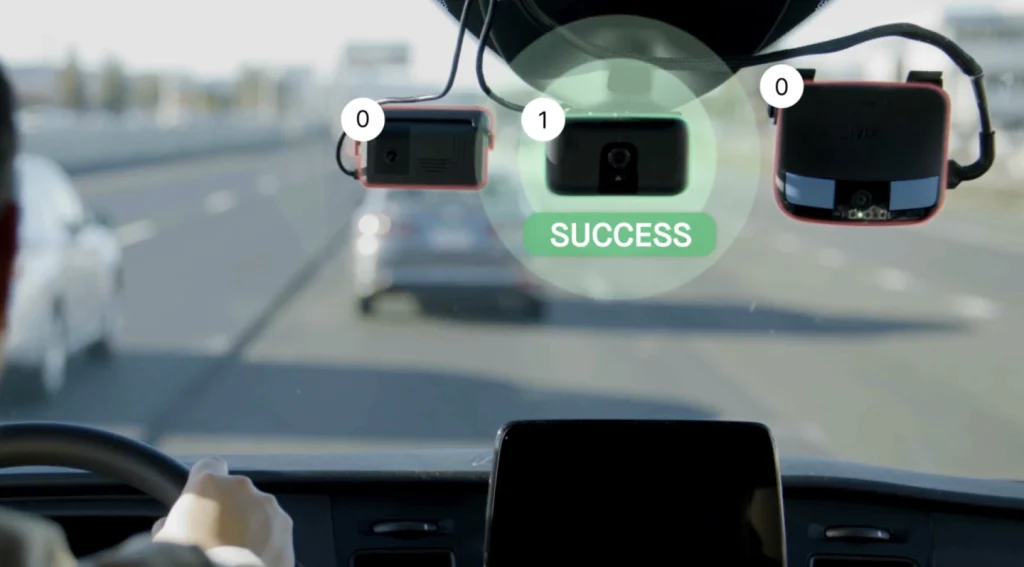
-
Table of Contents
- Introduction
- The Pros and Cons of Dashcam Surveillance: How Does it Impact Privacy?
- Exploring the Legal Implications of Dashcam Surveillance in Australia
- How Dashcam Surveillance Can Help Protect Citizens’ Rights and Privacy
- The Role of Dashcam Surveillance in Enhancing Public Safety in Australia
- Investigating the Impact of Dashcam Surveillance on Personal Privacy in Australia
“Dashcams and Privacy: Australian Law Ensuring Citizen Rights are Protected.”
Introduction
Dashcams are becoming increasingly popular in Australia, as they provide a way for drivers to record their journeys and protect themselves from false claims. However, with the rise of dashcams, there are also concerns about privacy and how the footage is used. Fortunately, Australian law provides citizens with a number of protections when it comes to dashcam footage and privacy. This article will discuss how Australian law protects citizens’ rights when it comes to dashcam footage and privacy.
The Pros and Cons of Dashcam Surveillance: How Does it Impact Privacy?
Dashcam surveillance is a growing trend in the modern world, with many people using it to monitor their vehicles and surroundings. While it can be a useful tool for security and safety, it also raises questions about privacy. This article will explore the pros and cons of dashcam surveillance and how it impacts privacy.
The primary benefit of dashcam surveillance is that it can provide a record of events that can be used to protect drivers and their property. Dashcams can be used to monitor traffic conditions, record accidents, and provide evidence in the event of a crime. This can be especially useful for drivers who are often on the road, such as delivery drivers or taxi drivers. Dashcams can also be used to monitor the behavior of other drivers, which can help to reduce the risk of accidents.
On the other hand, dashcam surveillance can also be seen as an invasion of privacy. Dashcams can record conversations and activities that are not intended to be recorded, and this can be a violation of privacy laws. Additionally, dashcams can be used to monitor people without their knowledge or consent, which can be a violation of civil liberties.
In terms of privacy, dashcam surveillance can be a double-edged sword. On one hand, it can provide a record of events that can be used to protect drivers and their property. On the other hand, it can be seen as an invasion of privacy. It is important to consider the potential risks and benefits of dashcam surveillance before deciding whether or not to use it.
Overall, dashcam surveillance can be a useful tool for security and safety, but it is important to consider the potential risks and benefits before deciding whether or not to use it. It is also important to be aware of the potential privacy implications of using dashcams, and to ensure that any recordings are used in accordance with applicable laws.
Exploring the Legal Implications of Dashcam Surveillance in Australia
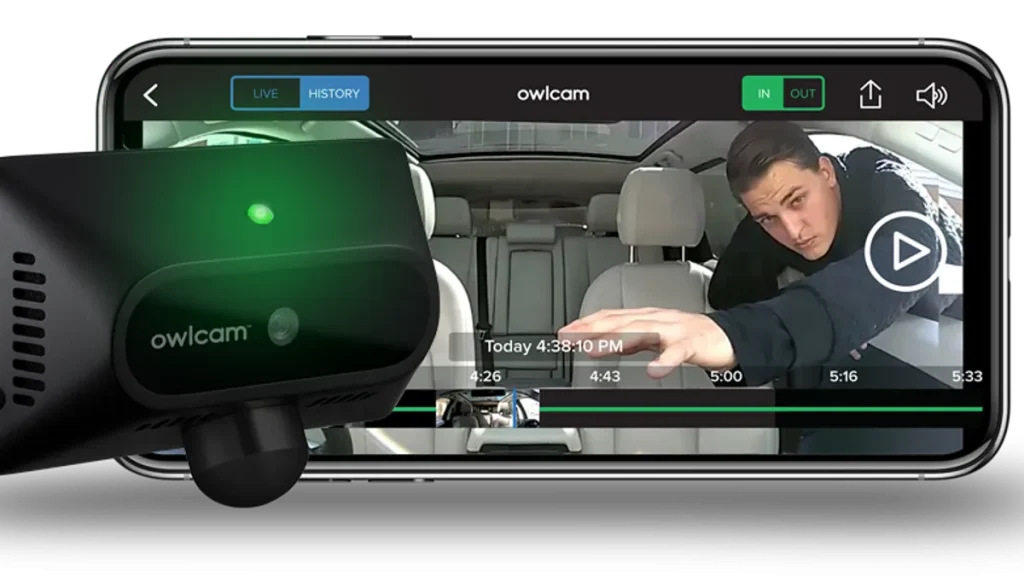
Dashcam surveillance is becoming increasingly popular in Australia, with many drivers using the technology to protect themselves in the event of an accident or other incident. However, there are a number of legal implications associated with the use of dashcam surveillance that must be considered.
In Australia, the use of dashcam surveillance is generally considered to be legal, provided that the footage is not used for any illegal purpose. However, there are some restrictions on the use of dashcam footage. For example, it is illegal to use dashcam footage to harass or intimidate another person, or to record conversations without the consent of all parties involved.
In addition, the use of dashcam footage in court proceedings is subject to certain restrictions. In most cases, the footage must be authenticated by a qualified expert before it can be used as evidence. Furthermore, the footage must be relevant to the case and must not be used to invade the privacy of any individual.
Finally, it is important to note that the use of dashcam surveillance may be subject to privacy laws in certain circumstances. For example, if the footage is used to monitor an individual’s movements or activities, then this may be considered a breach of privacy.
In conclusion, the use of dashcam surveillance in Australia is generally considered to be legal, provided that the footage is not used for any illegal purpose. However, there are a number of legal implications associated with the use of dashcam surveillance that must be taken into consideration. It is important to ensure that the footage is used in accordance with the law and does not invade the privacy of any individual.
How Dashcam Surveillance Can Help Protect Citizens’ Rights and Privacy
Dashcam surveillance is a form of video surveillance that is becoming increasingly popular in many countries. It is used to monitor public areas, such as roads and streets, and can be used to help protect citizens’ rights and privacy.
Dashcam surveillance can be used to monitor traffic violations, such as speeding or running red lights. This can help to ensure that drivers are following the law and that citizens are safe on the roads. It can also be used to monitor suspicious activity, such as drug dealing or other criminal activity. This can help to deter criminals and ensure that citizens are safe in their neighborhoods.
Dashcam surveillance can also be used to protect citizens’ rights and privacy. For example, it can be used to monitor police officers and ensure that they are not engaging in any misconduct or abuse of power. This can help to ensure that citizens are treated fairly and that their rights are respected.
Dashcam surveillance can also be used to protect citizens’ privacy. For example, it can be used to monitor public areas and ensure that citizens’ personal information is not being collected without their knowledge or consent. This can help to ensure that citizens’ privacy is respected and that their personal information is not being used for any nefarious purposes.
Overall, dashcam surveillance can be a powerful tool for protecting citizens’ rights and privacy. It can be used to monitor traffic violations, suspicious activity, and police misconduct, as well as to protect citizens’ privacy. By using dashcam surveillance, citizens can feel safer and more secure in their communities.
The Role of Dashcam Surveillance in Enhancing Public Safety in Australia
Dashcam surveillance has become increasingly popular in Australia in recent years, and for good reason. Dashcams are an effective tool for enhancing public safety, as they can provide evidence of dangerous driving, help to deter criminal activity, and provide a record of events in the event of an accident.
Dashcams can be used to provide evidence of dangerous driving, such as speeding, tailgating, and other reckless behaviors. This can be used to help prosecute offenders and deter others from engaging in similar behaviors. Dashcams can also be used to provide evidence of criminal activity, such as hit-and-run incidents or road rage. This can help to ensure that offenders are brought to justice and that the public is kept safe.
Dashcams can also be used to provide a record of events in the event of an accident. This can be used to help determine who is at fault and to provide evidence for insurance claims. Dashcams can also be used to provide evidence of dangerous road conditions, such as potholes or debris, which can help to ensure that roads are kept safe for all users.
Finally, dashcams can be used to provide evidence of police misconduct. This can help to ensure that police officers are held accountable for their actions and that the public is kept safe.
In conclusion, dashcam surveillance is an effective tool for enhancing public safety in Australia. It can provide evidence of dangerous driving, criminal activity, and police misconduct, as well as a record of events in the event of an accident. Dashcams can help to ensure that offenders are brought to justice and that roads are kept safe for all users.
Investigating the Impact of Dashcam Surveillance on Personal Privacy in Australia
The use of dashcam surveillance has become increasingly popular in Australia in recent years, with many drivers using the technology to protect themselves from potential legal issues and insurance claims. However, the use of dashcam surveillance has raised concerns about the impact it may have on personal privacy. This article will explore the potential implications of dashcam surveillance on personal privacy in Australia.
Dashcam surveillance is a form of video recording that is typically mounted on the dashboard of a vehicle. It records the view from the front of the vehicle, capturing footage of the road and any other vehicles or pedestrians in the vicinity. The footage is then stored on a memory card or hard drive, allowing drivers to review it at a later date.
Dashcam surveillance has been used in Australia for a number of years, primarily as a means of providing evidence in the event of an accident or other legal dispute. However, the use of dashcam surveillance has raised concerns about the potential impact it may have on personal privacy.
The primary concern is that dashcam surveillance may be used to record and store footage of individuals without their knowledge or consent. This could include footage of pedestrians, cyclists, or other drivers, which could then be used for purposes such as identification or surveillance. Furthermore, the footage could be shared or sold without the individual’s knowledge or consent.
In addition, dashcam surveillance could be used to monitor the movements of individuals, potentially allowing drivers to track their movements and activities. This could have a significant impact on personal privacy, as individuals may not be aware that they are being monitored.
The use of dashcam surveillance also raises concerns about the potential for misuse of the technology. For example, drivers may use the footage to harass or intimidate other drivers or pedestrians, or to record footage of individuals without their knowledge or consent.
In order to protect personal privacy, it is important that drivers using dashcam surveillance are aware of the potential implications of the technology. Drivers should ensure that they are aware of the laws and regulations regarding the use of dashcam surveillance, and should take steps to ensure that the footage is not used for any purpose other than that for which it was intended.
In conclusion, dashcam surveillance has the potential to have a significant impact on personal privacy in Australia. It is important that drivers are aware of the potential implications of the technology, and take steps to ensure that the footage is not used for any purpose other than that for which it was intended.
Explore the pros and cons of wired and wireless dashcam installation methods in this comprehensive guide, helping you make an informed decision on the most suitable setup for your vehicle and preferences.
For more information visit local authories sites to know your rights.


