
-
Table of Contents
- Introduction
- How Rear-Facing Dashcams Can Help You Avoid Accidents
- The Benefits of Having a Rear-Facing Dashcam for Insurance Purposes
- How Rear-Facing Dashcams Can Help You Monitor Your Driving Habits
- The Advantages of Having a Rear-Facing Dashcam for Road Safety
- How Rear-Facing Dashcams Can Help You Capture Evidence in the Event of an Accident
“See the Road Ahead with a Rear-Facing Dashcam!”
Introduction
Having a rear-facing dashcam can be a great way to protect yourself and your vehicle in the event of an accident. It can also provide evidence in the event of a dispute with another driver or a law enforcement officer. A rear-facing dashcam can also provide peace of mind when driving, as it can help you to stay aware of your surroundings and be prepared for any potential hazards. In this article, we will discuss the various benefits of having a rear-facing dashcam, including improved safety, evidence in the event of an accident, and peace of mind.
How Rear-Facing Dashcams Can Help You Avoid Accidents
Rear-facing dashcams are becoming increasingly popular as a way to help drivers avoid accidents. These devices are mounted on the rear window of a vehicle and record the road behind the car. The footage can be used to help drivers identify potential hazards and take appropriate action to avoid a collision.
Rear-facing dashcams can be especially useful in situations where a driver may not be able to see what is happening behind them. For example, if a driver is stopped at a red light, they may not be able to see if a vehicle is approaching from behind. A rear-facing dashcam can provide a clear view of the road behind the car, allowing the driver to take appropriate action if necessary.
Rear-facing dashcams can also be used to help drivers identify potential hazards that may not be visible to the naked eye. For example, if a driver is approaching a blind corner, the dashcam can provide a clear view of the road ahead, allowing the driver to adjust their speed accordingly.
In addition to helping drivers avoid accidents, rear-facing dashcams can also be used to provide evidence in the event of a collision. The footage recorded by the dashcam can be used to help determine who was at fault in an accident, which can be invaluable in the event of a dispute.
Overall, rear-facing dashcams can be a valuable tool for drivers looking to avoid accidents. By providing a clear view of the road behind the car, these devices can help drivers identify potential hazards and take appropriate action to avoid a collision. In addition, the footage recorded by the dashcam can be used to provide evidence in the event of a dispute.
The Benefits of Having a Rear-Facing Dashcam for Insurance Purposes
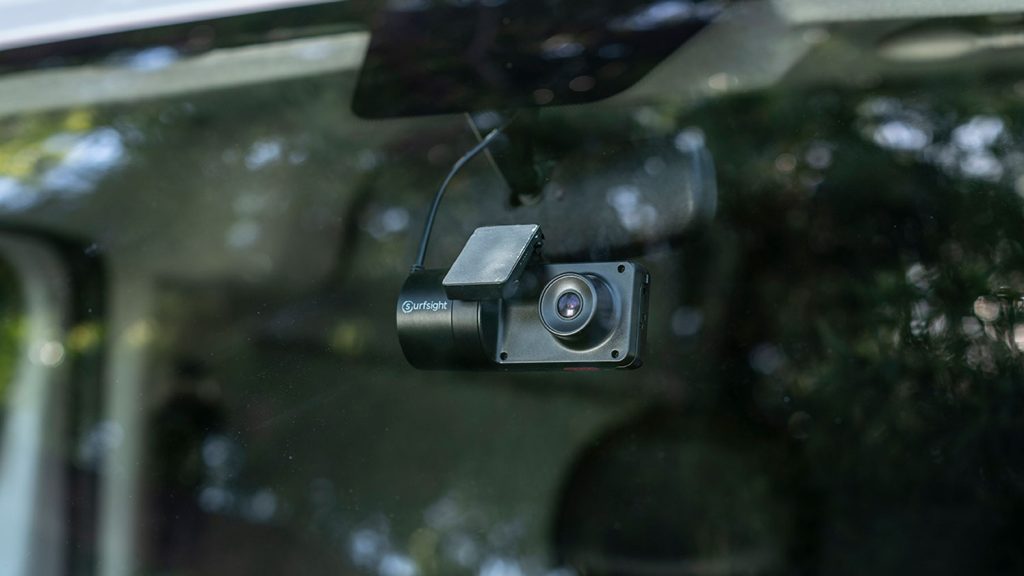
Having a rear-facing dashcam can be a great asset for insurance purposes. A rear-facing dashcam can provide evidence of what happened in the event of an accident, which can be invaluable for insurance claims. Here are some of the benefits of having a rear-facing dashcam for insurance purposes.
First, a rear-facing dashcam can provide an unbiased account of an accident. In the event of an accident, it can be difficult to determine who is at fault. With a rear-facing dashcam, you can have an objective record of what happened, which can be used to determine who is at fault. This can be especially helpful if there are conflicting accounts of the accident.
Second, a rear-facing dashcam can provide evidence of reckless driving. If you are involved in an accident and the other driver is found to be at fault, having a rear-facing dashcam can provide evidence of reckless driving. This can be used to prove that the other driver was at fault and can help you get the compensation you deserve.
Third, a rear-facing dashcam can provide evidence of road conditions. In the event of an accident, it can be difficult to determine the exact road conditions at the time of the accident. With a rear-facing dashcam, you can have an objective record of the road conditions, which can be used to determine who is at fault.
Finally, a rear-facing dashcam can provide evidence of distracted driving. Distracted driving is a major cause of accidents, and having a rear-facing dashcam can provide evidence of distracted driving. This can be used to prove that the other driver was at fault and can help you get the compensation you deserve.
In conclusion, having a rear-facing dashcam can be a great asset for insurance purposes. It can provide an unbiased account of an accident, evidence of reckless driving, evidence of road conditions, and evidence of distracted driving. All of these can be invaluable for insurance claims and can help you get the compensation you deserve.
How Rear-Facing Dashcams Can Help You Monitor Your Driving Habits
Rear-facing dashcams are becoming increasingly popular among drivers, as they offer a range of benefits that can help to monitor and improve driving habits. Dashcams are small cameras that are mounted on the dashboard or windshield of a vehicle, and they record footage of the road ahead. Rear-facing dashcams are a variation of this technology, and they record footage of the road behind the vehicle.
Rear-facing dashcams can be used to monitor driving habits in a number of ways. Firstly, they can be used to record any incidents that occur while driving. This can be useful for providing evidence in the event of an accident or dispute. Secondly, they can be used to monitor the driver’s behavior. For example, they can be used to detect any dangerous driving habits, such as speeding or tailgating. Thirdly, they can be used to monitor the performance of other drivers on the road. This can be useful for identifying any potential hazards or dangerous driving practices.
Rear-facing dashcams can also be used to provide feedback to the driver. For example, they can be used to provide real-time feedback on driving performance, such as speed, braking, and cornering. This can be useful for helping drivers to become more aware of their driving habits and to make improvements where necessary.
Overall, rear-facing dashcams can be a useful tool for monitoring and improving driving habits. They can provide evidence in the event of an accident or dispute, detect dangerous driving habits, and provide real-time feedback on driving performance. As such, they can be a valuable asset for any driver looking to improve their driving skills.
The Advantages of Having a Rear-Facing Dashcam for Road Safety
Having a rear-facing dashcam installed in your vehicle can be a great way to ensure road safety. Dashcams are small cameras that are mounted on the dashboard of a vehicle and record the view of the road ahead. A rear-facing dashcam, however, records the view behind the vehicle, providing an extra layer of protection for drivers. Here are some of the advantages of having a rear-facing dashcam for road safety.
First, a rear-facing dashcam can help to protect drivers from potential accidents. By recording the view behind the vehicle, drivers can be alerted to any potential hazards that may be coming up from behind. This can help to reduce the risk of rear-end collisions, as drivers can be more aware of their surroundings and take appropriate action to avoid a collision.
Second, a rear-facing dashcam can also be used to provide evidence in the event of an accident. If a driver is involved in an accident, the footage from the dashcam can be used to prove who was at fault. This can be especially useful in cases where the other driver is not willing to accept responsibility for the accident.
Finally, a rear-facing dashcam can also be used to monitor the driving habits of other drivers. By recording the view behind the vehicle, drivers can be alerted to any dangerous driving behaviors that may be occurring. This can help to reduce the risk of accidents caused by reckless driving.
In conclusion, having a rear-facing dashcam installed in your vehicle can be a great way to ensure road safety. By recording the view behind the vehicle, drivers can be alerted to potential hazards and dangerous driving behaviors, as well as providing evidence in the event of an accident.
How Rear-Facing Dashcams Can Help You Capture Evidence in the Event of an Accident
In the event of an accident, having a rear-facing dashcam can be a valuable asset in capturing evidence. Dashcams are small cameras that are mounted to the dashboard of a vehicle and record footage of the road ahead. Rear-facing dashcams are a special type of dashcam that record footage from the back of the vehicle. This type of dashcam can be especially useful in the event of an accident, as it can provide a clear view of the events leading up to the accident.
Rear-facing dashcams can help to provide evidence of the events leading up to an accident. This footage can be used to determine who was at fault and who was not. It can also be used to prove that the driver was not at fault, as the footage can show that the other driver was driving recklessly or not following the rules of the road. This footage can be used to support an insurance claim or to prove innocence in a court of law.
Rear-facing dashcams can also be used to capture evidence of any damage that may have occurred during the accident. This footage can be used to prove that the damage was caused by the accident and not by any other means. This can be especially useful in cases where the other driver is denying responsibility for the damage.
Finally, rear-facing dashcams can be used to capture evidence of any injuries that may have occurred during the accident. This footage can be used to prove that the injuries were caused by the accident and not by any other means. This can be especially useful in cases where the other driver is denying responsibility for the injuries.
In conclusion, rear-facing dashcams can be a valuable asset in capturing evidence in the event of an accident. This footage can be used to determine who was at fault, to prove innocence in a court of law, to prove that damage was caused by the accident, and to prove that any injuries were caused by the accident.
Learn how a dash cam can serve as a valuable tool in safeguarding your vehicle from theft and vandalism, providing continuous surveillance and potential deterrents, thus enhancing security and helping to prevent criminal activities against your car.
For more information visit local authories sites to know your rights.


